Sustainability as a Byproduct of Efficiency
Why reducing carbon footprints and maximizing OEE (Overall Equipment Effectiveness) are two sides of the same coin in modern manufacturing.
The traditional view positions sustainability and profitability as competing priorities. Modern manufacturing is proving this assumption wrong — the most efficient operations are often the most sustainable.
Overall Equipment Effectiveness (OEE) improvements directly reduce waste, energy consumption, and material usage. When you eliminate defects, minimize changeover times, and optimize equipment utilization, you are simultaneously reducing your environmental footprint.
Smart energy management systems powered by AI can reduce factory energy consumption by 15-30% by optimizing HVAC, lighting, and equipment schedules based on real-time demand. These savings directly impact both the bottom line and carbon emissions.
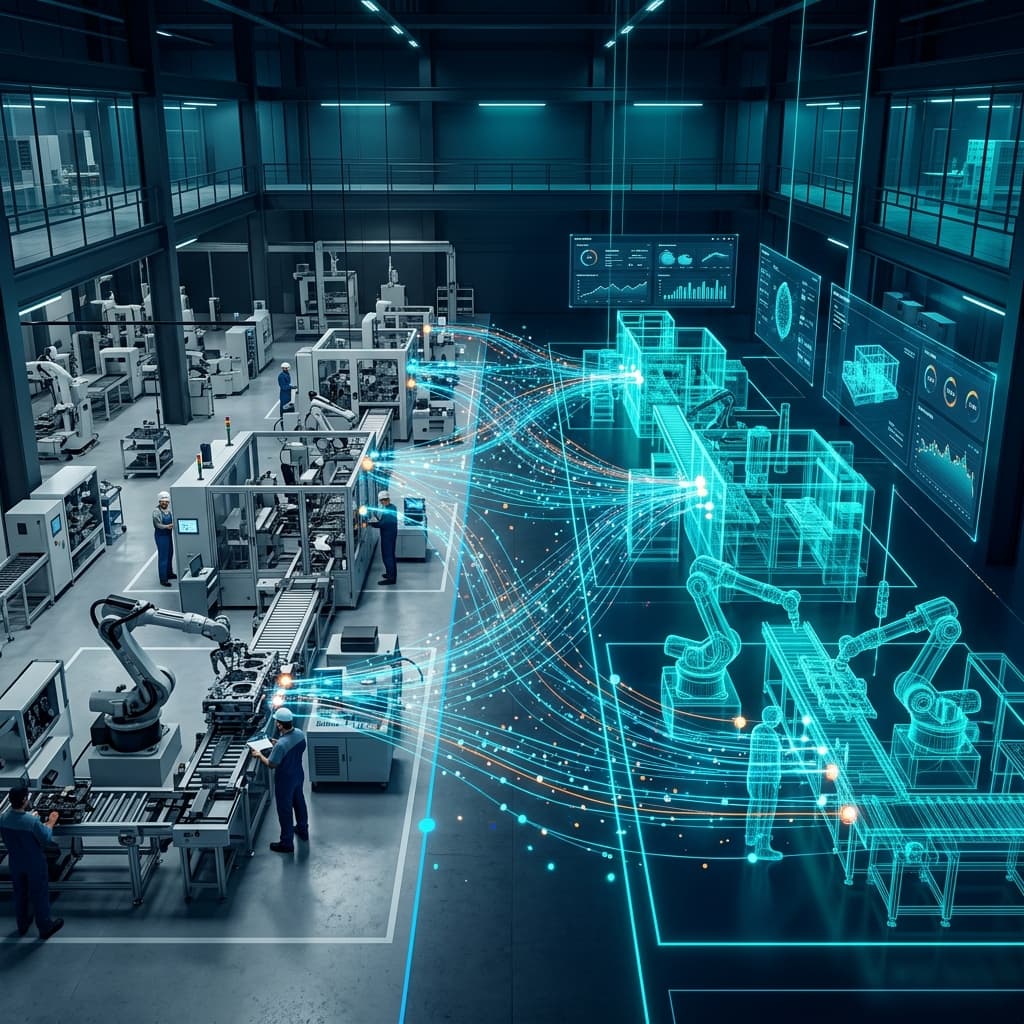
Circular manufacturing models — enabled by IoT tracking and digital twins — allow companies to recapture value from waste streams, extend product lifecycles, and design for disassembly. The result is a virtuous cycle where efficiency drives sustainability, which in turn drives further innovation.